
Uriah Courtney
Uriah Courtney’s Quest for the Truth
Projected Release: TBA
In November 2004, a man attacked a 16-year-old girl as she walked along a road in Lemon Grove, California. She told police that he grabbed her from behind and told her not scream. He threw her into some bushes and sexually assaulted her.
The victim managed to break free and ran to a passing car for help. She told police that shortly before her attack she noticed a man staring at her from an old truck. She believed he was her attacker, describing him as a White man with facial hair, in his 20s, about 5 feet, 9 inches tall, weighing around 155 pounds.
Initially, the police had no leads. They drove the girl around the area to see if she recognized anyone, or the truck, to no avail.
But later, someone reported seeing a similar truck, one that belonged to the stepfather of a young man named Uriah Courtney. And 25-year-old Courtney matched the general description given by the victim.
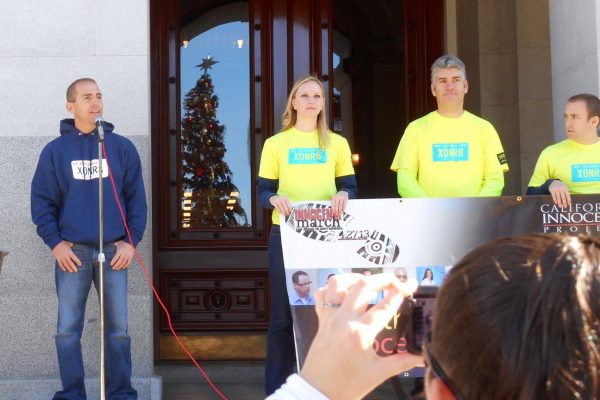
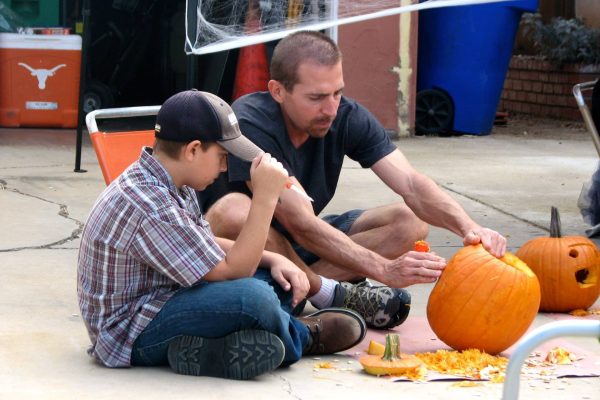
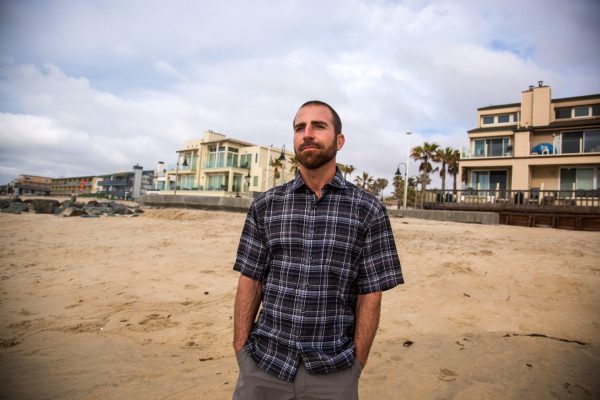
Click or swipe to see the images in the carousel above.
When the victim saw a picture of the truck, she said she was 80 percent sure it was the same one she saw right before her attack. Detectives then showed her Courtney’s photo in a lineup, and the victim pointed to Courtney as her attacker—but admitted she couldn’t be absolutely certain.
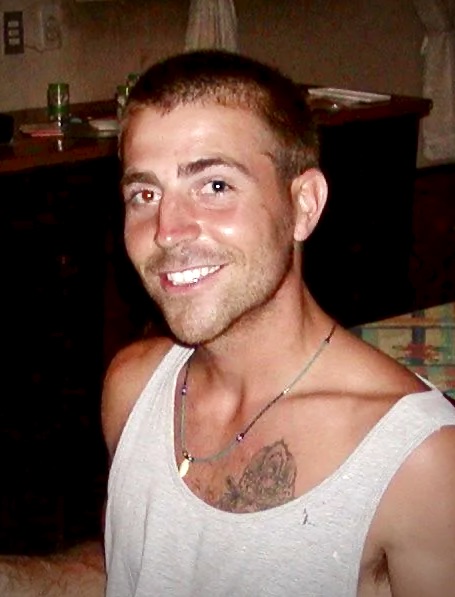
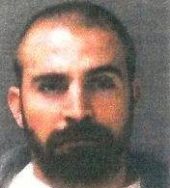
Courtney, shortly before his arrest in 2004.
Another eyewitness also identified Courtney in the lineup. “I was already caught up in the system,” Courtney would tell a reporter, years later. “I was a drug addict. I’d been in and out of jail for minor offenses. Then later I had some more serious drug offenses. And I think because of that, they just wanted to get a ‘bad person’ off the street no matter what it took.”
Police arrested Courtney in February 2005 and he was charged with kidnapping, sexual assault, and false imprisonment—even though pre-trial DNA testing of the biological evidence from the sexual assault was inconclusive.
In 2012, new DNA testing on the clothing of the victim in Uriah’s case revealed that it did not match that of Courtney. Instead, the DNA profile matched a convicted felon who lived near the scene of the attack and resembled Courtney.
“The whole time I sat in jail,” Courtney remembers, “I believed that someone would call me up, a detective or something, and say, ‘Sorry we made a mistake. You can go on your way.’ I really believed that, I was so naive.”
When Courtney went on trial in San Diego County Superior Court, the victim’s story changed. She was now certain, she said, that Courtney was her attacker.
However, Courtney’s boss and a coworker both said he was working with them at the time the attack happened.
Nonetheless, the jury found Courtney guilty, and he was sentenced to life in
prison. “I was in a state of shock,” says Courtney. “I was devastated. I cried. I was depressed. I wanted to die. I was angry at the victim, angry at the detective, angry at the world. I didn’t know why this was happening to me.”
Prison wasn’t easy.
“What I was accused of could have gotten me killed in there,” Courtney explains. “I lived in fear daily. It wasn’t a matter of if someone was going to come after me, but when. Because people that are in prison for sex crimes, bad things happen to them.”
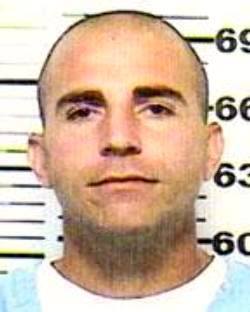
Because the victim in the rape was underage, Uriah Courtney was also listed a as a sex offender and unable to see his own son during his eight years in prison.
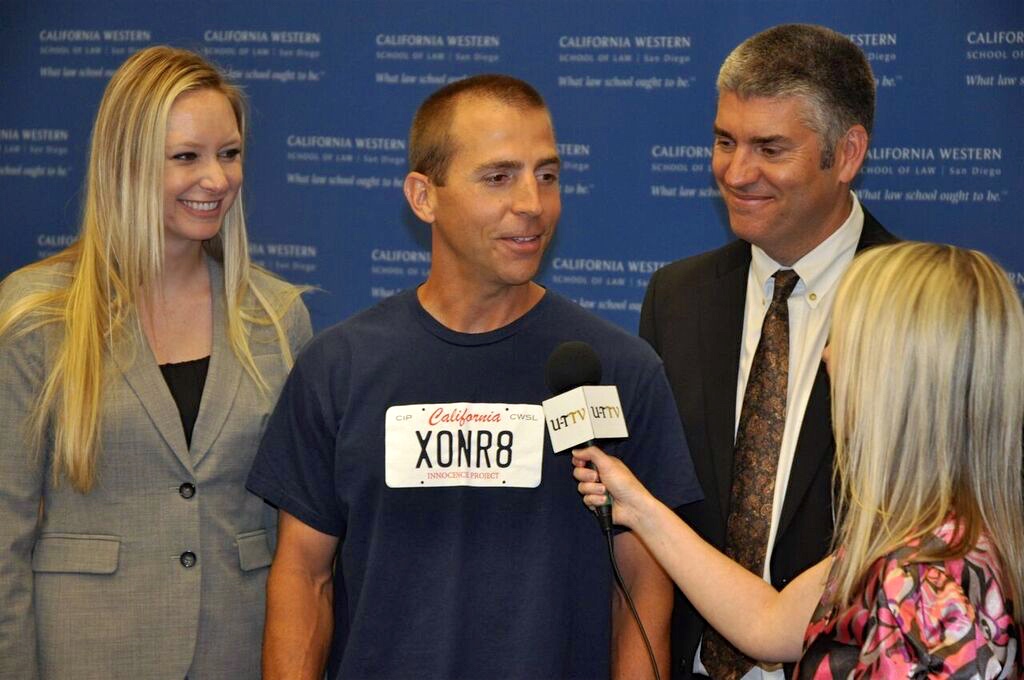
Courtney, being interviewed after his release, with the California Innocence Project’s Alissa Bjerkhoel and Justin Brooks.
In 2010, the California Innocence Project took Courtney’s case, believing new advancements in DNA technology and further DNA testing could and would clear him.
“They were able to extract male DNA from the areas of her skirt and tank top that had come into contact with her attacker. They compared it to my DNA and I was excluded as the male donor of that DNA,” Courtney explains.
This DNA profile instead matched a convicted felon who lived near the scene of the attack, and who closely resembled Courtney. As a result, Courtney’s conviction was overturned in May 2013 and, after spending eight years in prison, he was released.
The prosecution then dismissed the charges.
As for the man who actually committed the crime?
Courtney explains, “They tracked him down. But the District Attorney decided not to go after the guy because the statute of limitations on the rape case ran out. And they believed making the victim go through another trial was too much. He’s not in prison now, but he’s a registered sex offender.”
He continues, “That’s one of the things that still upsets me. The victim did not get justice.”
Today, more than a decade after his release, Courtney is still trying to fully recover. “I got forced into this whole ordeal. I’m out of prison, but I’m still traumatized. There’s still injustice. Nobody has been held accountable for this.”
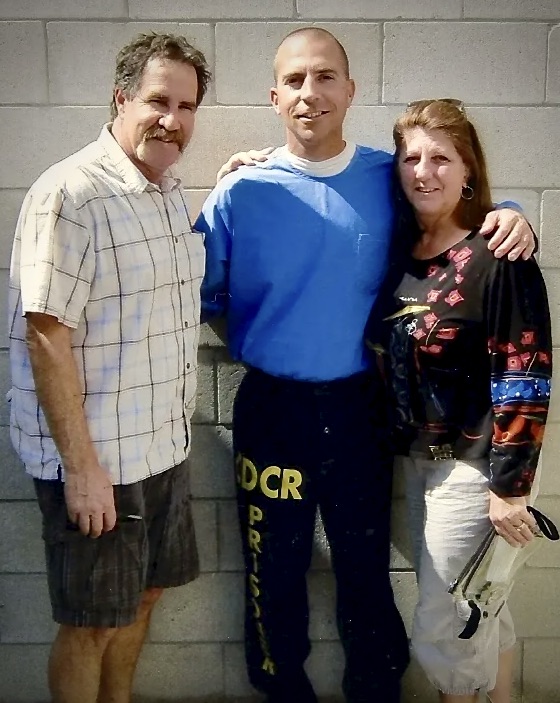
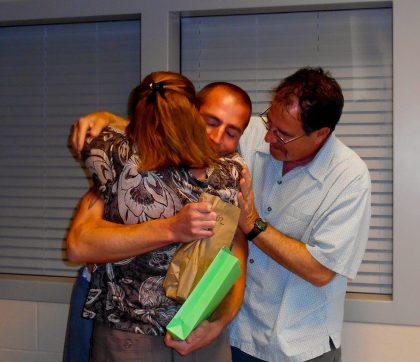
Courtney’s parents during a visit at the Donovan Correctional Facility near San Diego, where he was incarcerated all eight years.
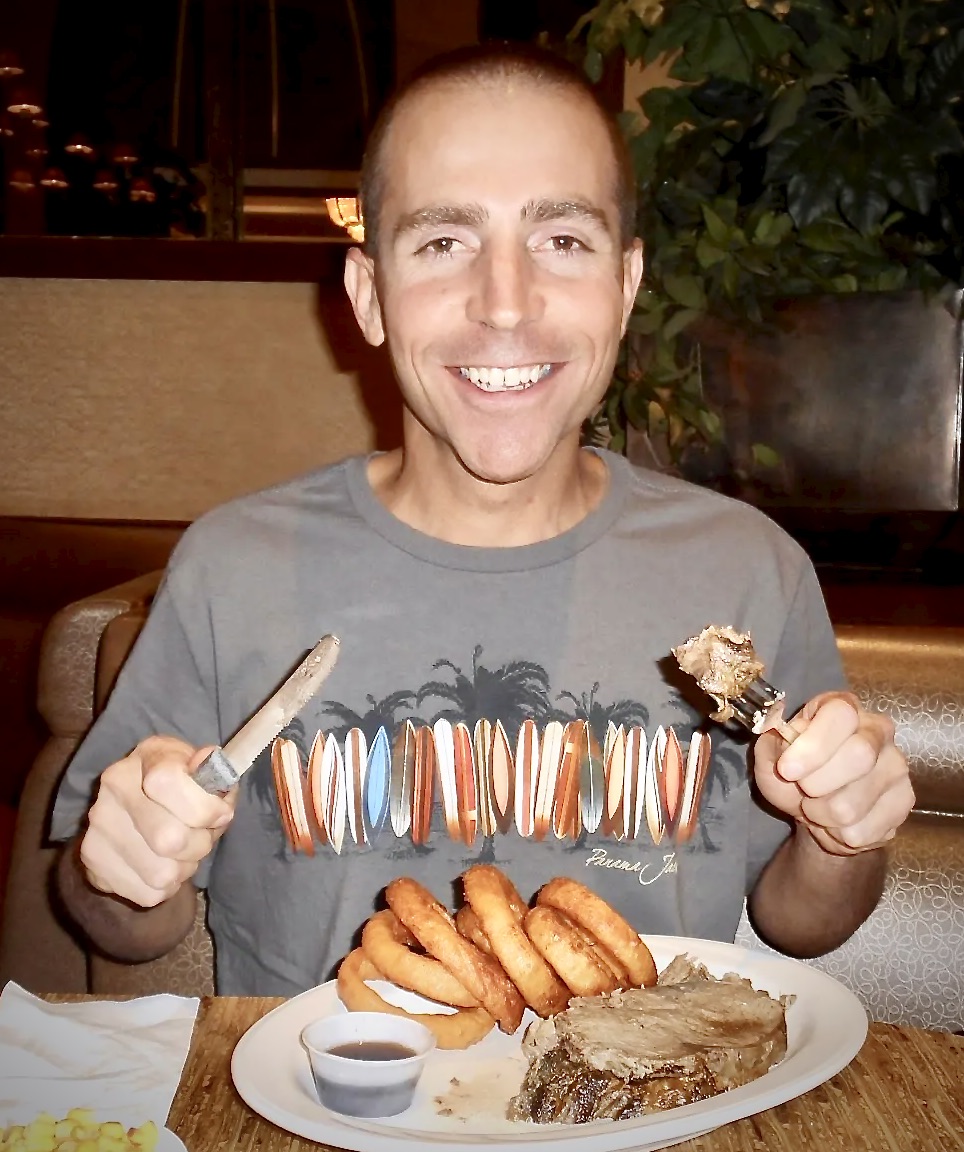
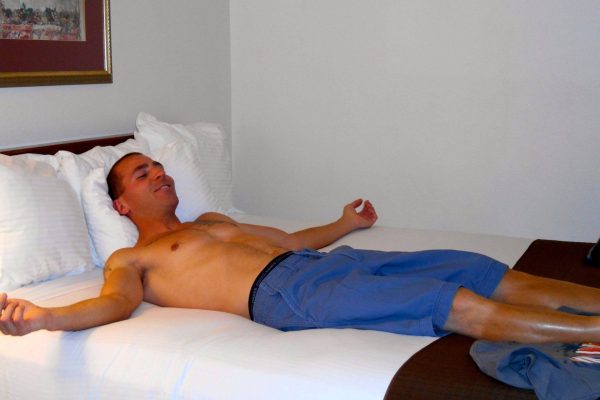
Courtney’s first post-prison meal after his release in 2013.
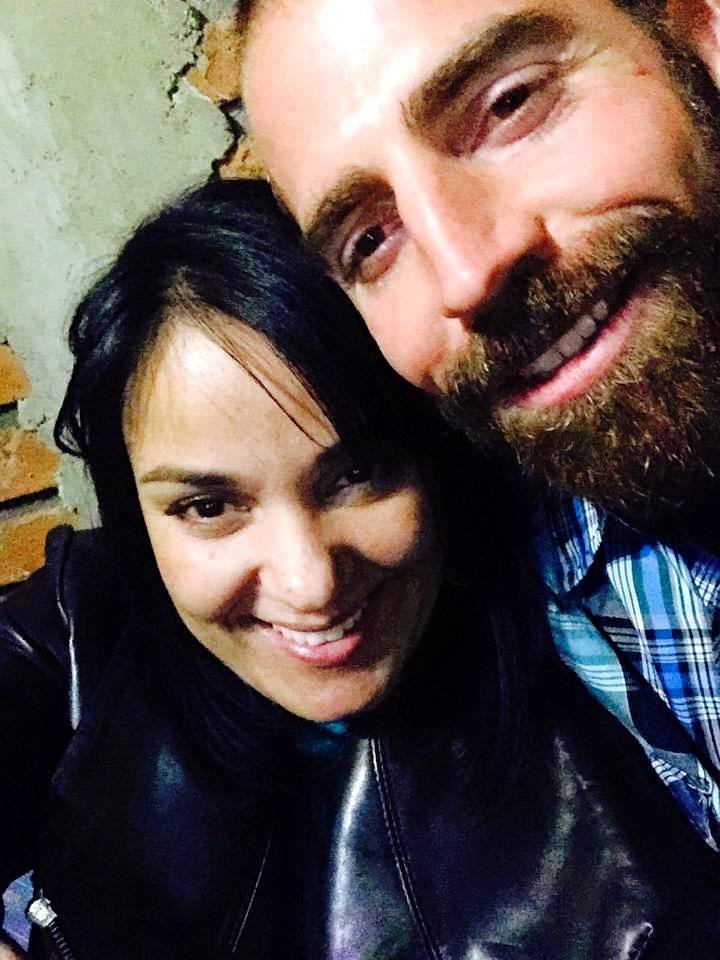
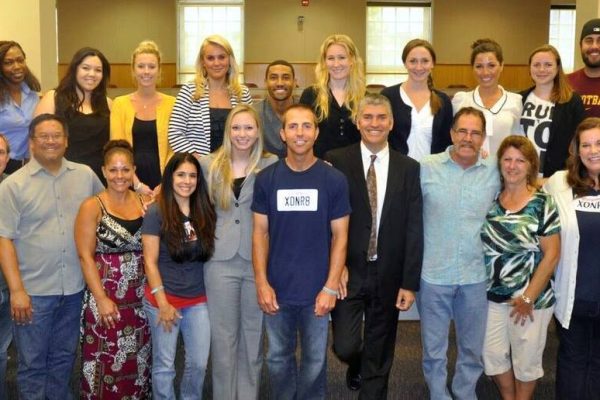
Courtney today, with his wife Marina.
He continues, “The prosecuting attorney was desperate to hold on to her conviction. She came up with multiple theories for how the DNA evidence [linking someone else to the crime] could have come about—maybe it was contaminated by the clothes hamper, or some guy sneezed on the bus, or the California Innocence Project tampered with evidence.”
“And the victim said she still thought I was the guy that attacked her. I was pretty disappointed by that.”
Courtney has moved on with his life, but it hasn’t been easy. “I got married in 2016 to a strong, wonderful woman. But I’ve got PTSD [Post Traumatic Stress Disorder],” he explains. “Sometimes I’m still angry. I lost eight years of my life.”
In the upcoming documentary, Uriah Courtney’s Quest for the Truth, The Reporters Inc. investigates the law enforcement and legal failings that led to Courtney’s arrest, prosecution and conviction—and what’s being done to prevent a wrongful conviction like his from happening again.
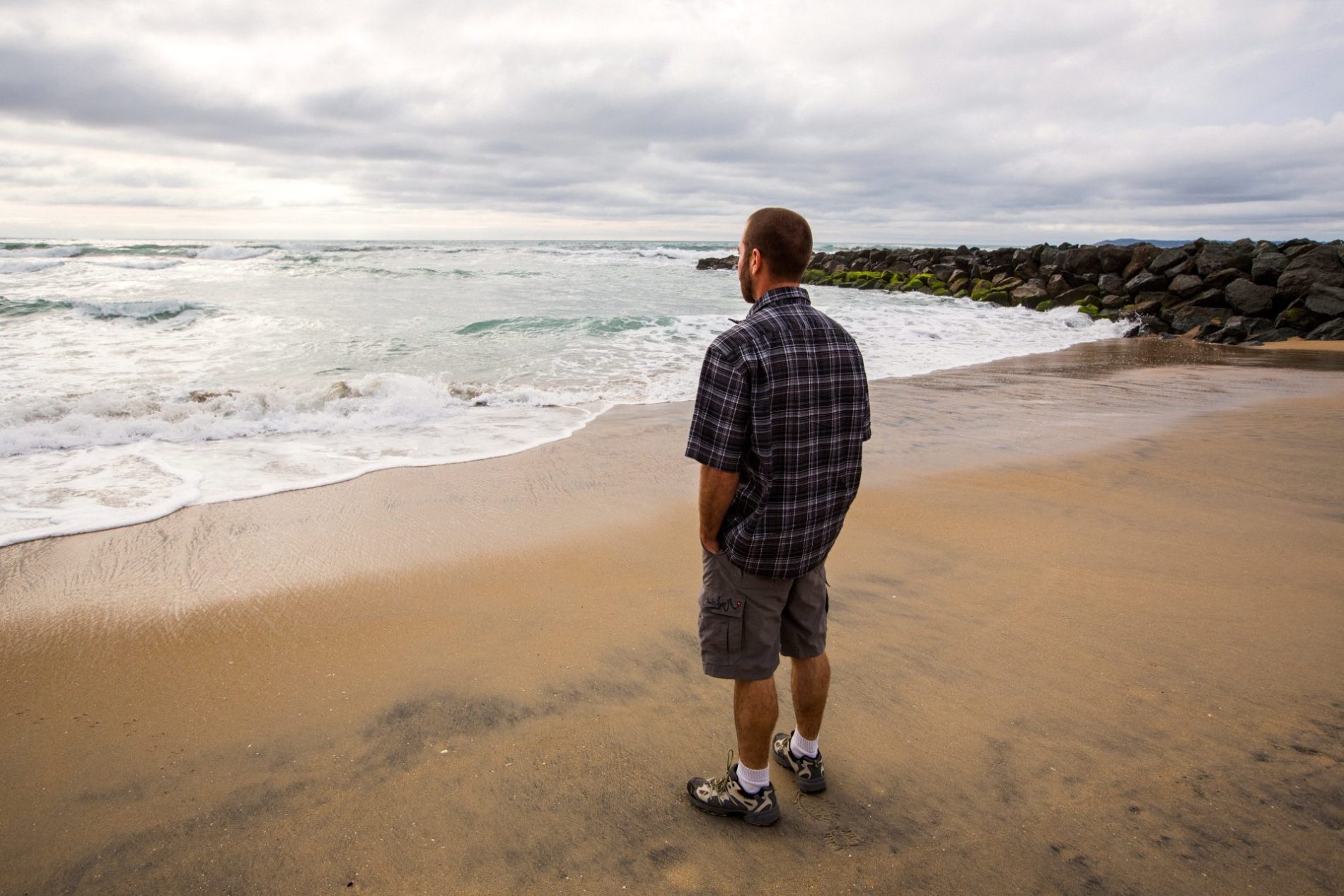
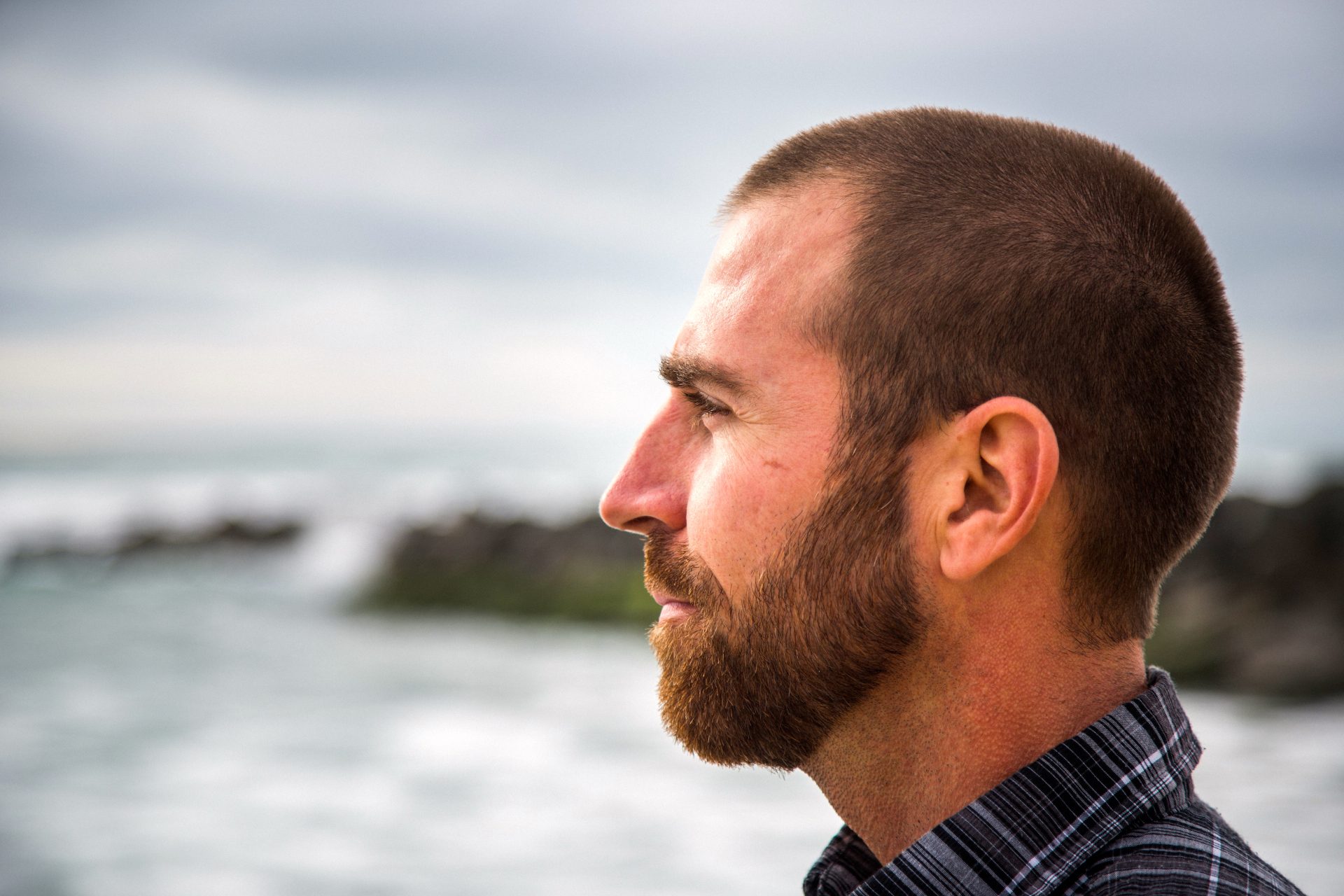
Courtney has lived most of his life near Imperial Beach in San Diego. He goes there often because he says it brings him peace.
To provide information, or learn more about this project, email The Reporters Inc. at info@thereporters.org or call us at 612-333-3180.
SUPPORTING US
To fund our work, we rely on the generosity and support of people like you who believe that nonprofit media is necessary and vital for meaningful journalistic work to thrive and prosper. Please consider a donation today!
KEEP INFORMED
We’ll alert you about our documentary premieres, latest articles, new projects, and more when you subscribe to our e-newsletter. Just fill in your email address below.